Switzerland debates whether to supply more arms abroad: Christians are divided
In the referendum on 29 November, the two ‘evangelical parties’ disagree on weapons, but are in agreement on the initiative to strengthen the financial situation of married couples.
BERN · 23 NOVEMBER 2026 · 12:17 CET
In Switzerland, citizens vote directly on the most controversial political decisions in a series of referendums held throughout the year.
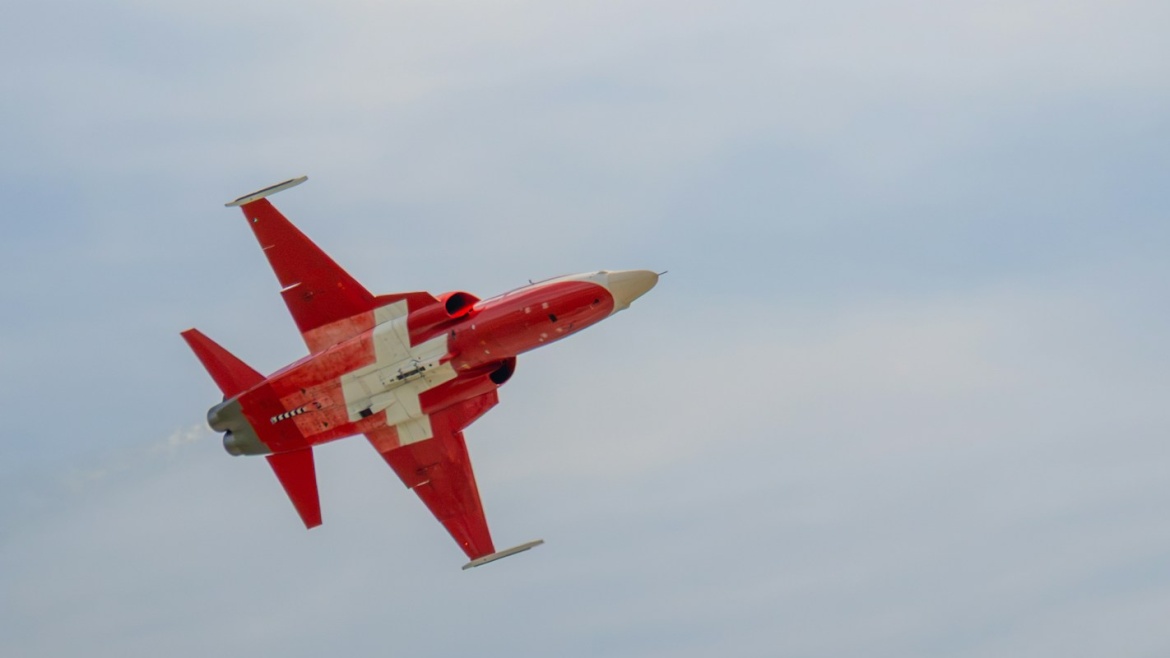
On 29 November, citizens will have to decide on one of these difficult measures: whether or not Switzerland can sell more arms to other countries, including those at war.
The decision is significant for a country that has always been characterised by its neutrality in armed conflicts and by its role as a hub for diplomacy in the face of war, hosting the headquarters of the UN and the Red Cross on its territory.
All Evangelical Focus news and opinion, on your WhatsApp
In Switzerland, national defence has always been a priority. Every man is still obliged to complete military service.
Now, the government wants to relax its rules on arms sales, but a counter-proposal means citizens must now decide.
A strict rule
Switzerland has so far imposed a rule on itself that its arsenal cannot be sold to countries at war (such as Ukraine or Russia at present), nor to states that violate human rights.
Until now every sale has included a clause prohibiting the resale of Swiss arms to third parties without the manufacturer’s consent.
The government is proposing to sell Swiss-made arms to 36 trusted states, and would relax restrictions on the resale of its weapons provided that a certain level of oversight is maintained.
EVP: No to ending ‘neutral’ Switzerland’s authority
Switzerland has two openly Christian parties: the Evangelical People’s Party (Evangelische Volkspartei, EVP) and the Federal Democratic Union (Eidgenössische Demokratische Union, EDU). The former will vote ‘no’ to exporting more arms, whilst the latter will vote ‘yes’.
Marc Jost (EVP) is an evangelical MP in the Swiss National Council, and believes that changing the law (which was passed in 2024) would be “pointless” and “undemocratic”, as reported by Swiss news website Livenet.ch. For him and others calling on citizens to vote ‘no’ in the referendum, Switzerland would be helping to fuel violence against civilians in wars in third countries. It would also lose its standing as a historically neutral country.
Furthermore, the EVP adds, the change to the law would not even benefit Ukraine in its defence against Russian aggression, as it would be excluded from the Swiss government’s proposal.
The Swiss Protestant Church is also among the groups calling for a ‘no’ vote.
EDU: Selling more strengthens the country’s defence
The other, more conservative party with evangelical influence believes that supplying arms abroad would strengthen Switzerland.
According to the EDU, if the country wishes to continue producing high-quality defence equipment, the industry must be able to export more abroad, explained Daniel Engler, a party representative. A small country (Switzerland has a population of 9 million) needs to sell arms to sustain domestic arms production.
Polls suggest that around 49 per cent would be in favour of selling more arms, whilst 45 per cent are against.
Vote also on taxation of married couples
Of the three other issues on which the Swiss will vote in the referendum on Sunday 29 November, there is also an initiative for ‘fair taxation for married couples’.
The EVP is calling for a ‘yes’ vote, so that “married couples with very different incomes, or families where only one parent earns an income, are not disadvantaged or financially penalised by progressive tax rates”.
The other evangelical party also supports this initiative. “For the EDU, marriage and the family are fundamental. It therefore supports a solution that treats marriage as a partnership and gives families the freedom to decide how to divide up paid work and family responsibilities”.
Do you see a need for this kind of journalism?
Through news, interviews, opinion and analysis, we seek to build bridges between evangelical churches and the societies in which they live.
As a non-profit entity, the big challenge is to be sustainable, month by month. We invite you to make a difference! Join the readers who make Evangelical Focus possible.
Published in: Evangelical Focus - europe - Switzerland debates whether to supply more arms abroad: Christians are divided