
Jumilla stumbles over Spain’s ‘laicidad’
A city in southern Spain has banned the use of public places for religious ceremonies such as the feast of the lamb. A leader of the Spanish Evangelical Alliance believes that several lessons can be learned from this mistake.
MURCIA · 11 AUGUST 2025 · 16:08 CET
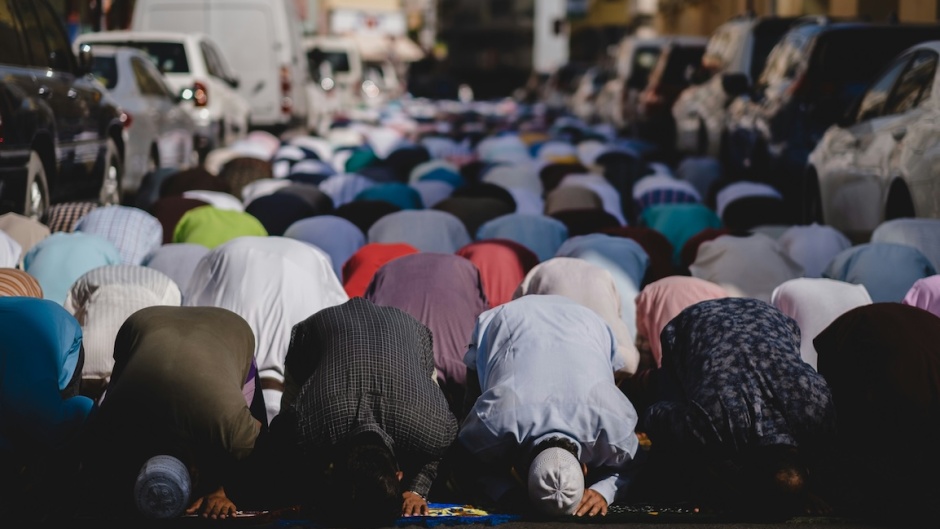
The motion approved at the Jumilla Town Council meeting on 28 July stipulates that the use of municipal sports facilities ‘shall be exclusively for sports or events and activities organised by the Jumilla Town Council, and under no circumstances for cultural, social or religious activities unrelated to the Town Council.’
In principle, we may disagree with the decision to limit their use to the stated purposes, but there is nothing to prevent any municipal government from taking such a decision, provided that it is implemented in an objective and non-discriminatory manner.
This is where Pandora's box opens.
The underlying issue is the separation of church and state and the concept of secularism. In fact, the much-repeated expression ‘separation of church and state’ is definitely inadequate because it assumes that there is only one church, the Roman Catholic Church. That is simply false. Along these lines, it is assumed as normal that it is the role of the public administration to defend and protect ‘traditional religious values and expressions in our country.’ This perspective ignores the basic foundations of the separation of church and state established by the Protestant societies that gave rise to democracy and makes certain religious beliefs and expressions the property of the country, thereby restoring the confessional nature of the state.
Spain must allow the free competition of ideas in the public arena, including those derived from religious values
On the other hand, this concept has not been clarified in the minds of many left-wing politicians either, because they confuse 'laicidad' with dogmatic secularism. They complain about this obvious abuse by the Jumilla town council, but insist on relegating faith to the private sphere, threaten to limit the right to conscientious objection, deny parents the prevailing right to decide on the values of their children's education and impose dogmas of faith that are binding by law, such as those that appear in the preamble to the trans law.
The separation of church and state must leave the doors of the public square open to all beliefs and non-beliefs, and secularism must renounce imposing an anti-religious code of values and relegating faith to the private sphere. It must allow the free competition of ideas in the public arena, including those derived from religious values.
The Islamic representatives now have a splendid opportunity to demand the same freedoms, condemn all forms of religious discrimination and all anti-conversion laws in Islamic countries
X. Manuel Suárez, medical doctor and secretary general of the Spanish Evangelical Alliance.
Join us to make EF sustainable
Learn all about our #TogetherInThisMission initiative here (English).
Published in: Evangelical Focus - European perspectives - Jumilla stumbles over Spain’s ‘laicidad’