
Evangelicals in Ceuta coordinate efforts to respond jointly to the migration crisis
Javier Santolaria, pastor of Casa de Alabanza, describes a city that remains overwhelmed a week later. Evangelical churches distribute aid, food and Christian literature to the thousands of migrants still living on the streets.
Protestante Digital · CEUTA · 10 AUGUST 2026 · 08:35 CET
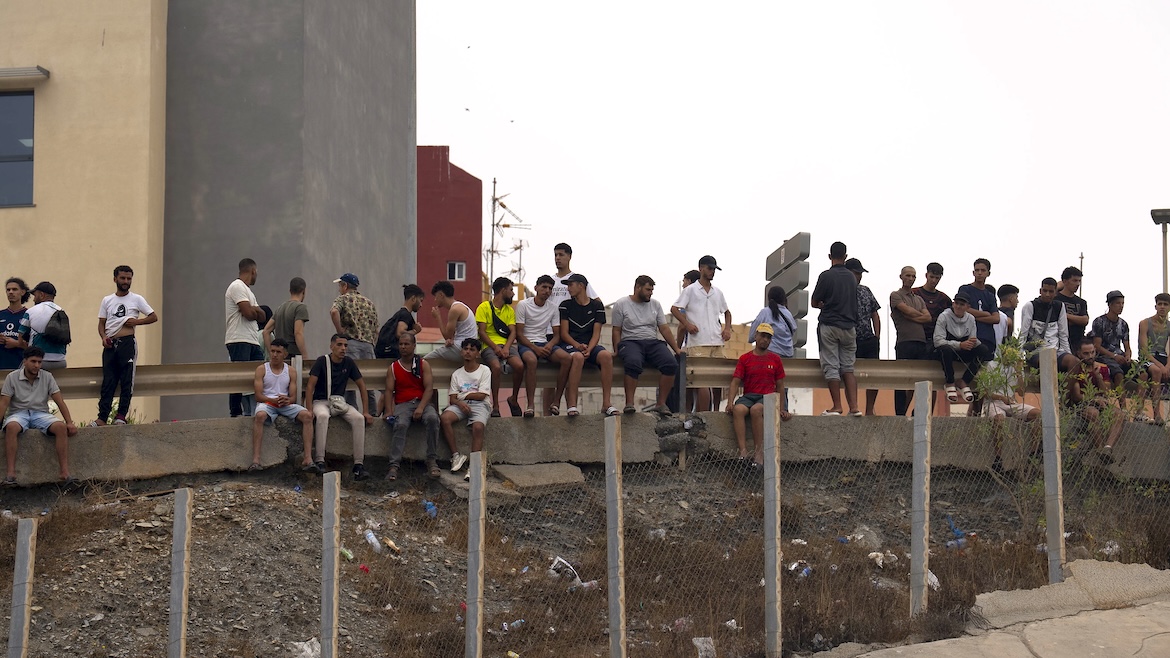
A week after the largest migrant influx Ceuta (Spain) has experienced in its recent history, the evangelical churches and ministries in the city are coordinating their efforts to address the needs that have arisen, both in caring for church members and in providing essential aid to the thousands of migrants who continue to wander the city.
This is what Javier Santolaria, pastor of Casa de Alabanza – Ceuta’s oldest evangelical congregation, founded around 1958 – told Spanish news website Protestante Digital. He took part in a meeting this week where various ministries and churches discussed how to tackle the current crisis.
All Evangelical Focus news and opinion, on your WhatsApp
Support network
“We brought together the various evangelical churches and ministries in the city,” explains Santolaria. The aim was to avoid duplicating efforts, identify real needs and see where they could make the greatest impact by working together. The online meeting was attended by various evangelical churches and ministries operating in Ceuta, carrying out evangelistic, social and cultural work.
One of the projects on which they decided to join forces was the ‘Bocadillos con Amor’ programme, which has long been run in Ceuta. From Monday to Friday, teams of volunteers distribute bags of basic foodstuffs to groups of migrants living on the outskirts of the city, some in areas far from the city centre.
Along with the food, they distribute Christian literature: More Than a Carpenter in French and Arabic, and the New Testament Sermon on the Mount, also in Arabic. “They spend many hours with nothing to do. We hope that the Lord will be able to touch many lives,” says the pastor.
The number of migrants still in Ceuta has not been confirmed by official sources, although it is estimated that thousands of people, including many minors, remain on the streets and in the neighbourhoods of a city still in shock over what happened seven days ago.
“Thousands of people are still here”
The coordination between churches reflects the fact that the city of Ceuta is still far from returning to normality. “Sometimes the news does not accurately reflect what ordinary citizens experience here every day, especially on the outskirts. The neighbourhoods remain crowded. We are talking about thousands of people still in the city”. The result is a climate of insecurity that leads many residents to avoid going out, or to do so only when absolutely necessary.
Santolaria confirms that, despite an increased police and military presence on the streets, disturbances continue, although they do not all appear in the media.
Added to this is the tension surrounding the start of the school year. The possibility of converting two schools to accommodate unaccompanied minors has sparked protests among parents. “These are problems that keep piling up”, summarises Santolaria.
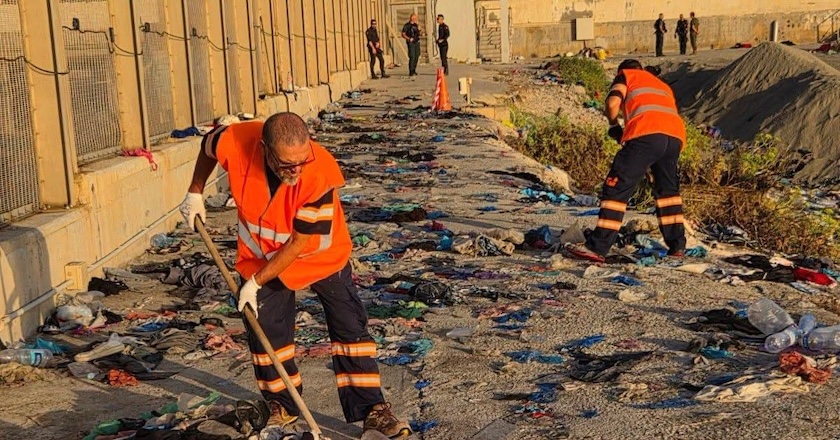
More police presence, but still insufficient
The arrival of police and Spain's Civil Guard reinforcements from the mainland, and the deployment of the army at strategic points — entrances to supermarkets, petrol stations — has brought some reassurance to residents.
“You can tell the differenc”, acknowledges the pastor. But the numbers remain overwhelming: “No matter how many come, when we’re talking about thousands of people, you’re left with the feeling that more are needed”.
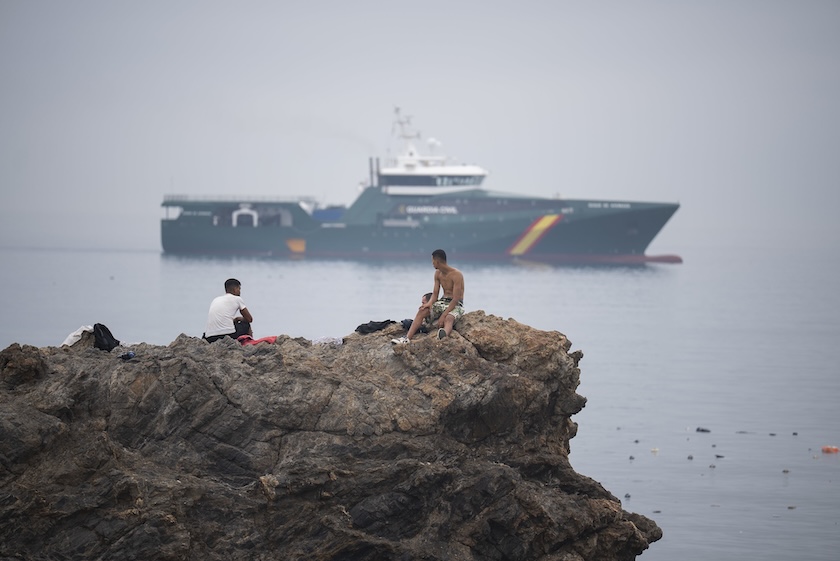
The Civil Guard, National Police and army have increased their presence in the city of Ceuta this week, amidst the migration crisis. Photo: Hazteoir, CC 4.0
The human cost in hospitals
Among those who have been pushed to their limits for days is Santolaria’s wife, a nurse at a health centre in the city. From the very first day of the crisis, she was deployed to Tarajal to care for those arriving. “It wasn’t just the injured who were arriving. There were also teenagers who had already died”, she explains.
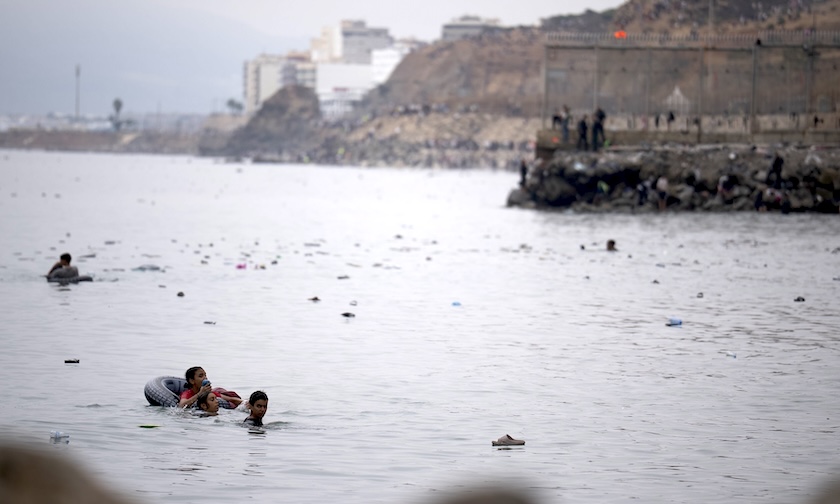
Figures from NGOs in the area put the death toll at over 140 in Spain and Morocco out of the estimated 70,000 who may have entered within 24 hours.
This emotional impact is combined with a workload that has increased due to the need to care for more people, many of whom have different physical and emotional needs.
From Zoom to in-person worship
On the Sunday following the outbreak of the crisis, Casa de Alabanza met via videoconference. “Just imagine: in five or six hours, more than 70,000 people have entered your city, which has a population of 85,000. You’re left in shock”.
Out of caution and following the advice of the authorities, they did not open the church doors last Sunday. But yesterday, they hoped to meet in person again.
The congregation reflects the diversity that characterises Ceuta today: families from Venezuela, Mexico, Argentina and Colombia come together in a church that has been a leading Protestant institution in the city for more than six decades.
The pastor has also expressed his gratitude for the expressions of solidarity he has received from other believers in Spain. “We ask you to continue praying for us, because it’s not easy. Everything that has happened adds to our daily chores and worries, and we need strength and to see the hand of God at work”, pastor Santolaria concludes.
Do you see a need for this kind of journalism?
Through news, interviews, opinion and analysis, we seek to build bridges between evangelical churches and the societies in which they live.
As a non-profit entity, the big challenge is to be sustainable, month by month. We invite you to make a difference! Join the readers who make Evangelical Focus possible.
Published in: Evangelical Focus - europe - Evangelicals in Ceuta coordinate efforts to respond jointly to the migration crisis