
Venezuela: surviving is not enough
With the first month and a half now having passed since the two earthquakes June, it is essential that we recognise a conviction that must guide all recovery and reconstruction efforts: surviving is not enough.
07 AUGUST 2026 · 13:28 CET
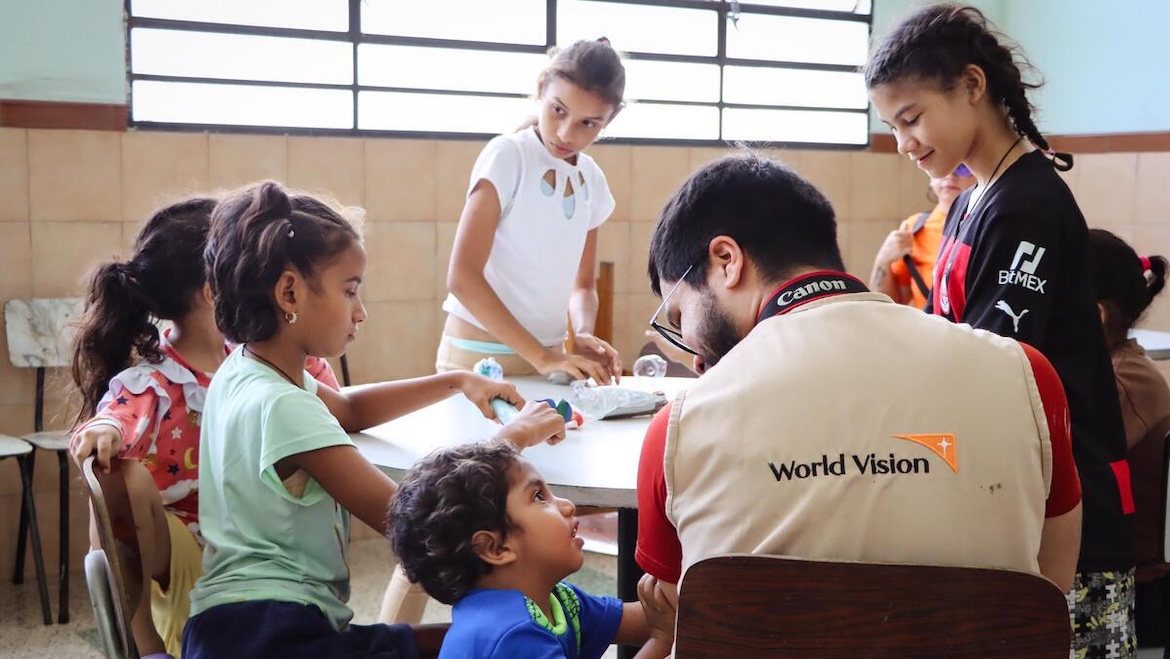
Safeguarding the lives of those affected in the Venezuela earthquakes is, without doubt, a priority. However, we must understand that restoring children’s rights and rebuilding local capacities requires placing protection at the heart of our response.
Protection is not an afterthought; it is the central pillar that gives meaning and dignity to everything else. Providing nutritional kits and equipping community kitchens only makes sense when access to these goods is safe and dignified. No one — neither men, nor women, nor girls, nor boys — should have to sacrifice their dignity to receive aid.
All Evangelical Focus news and opinion, on your WhatsApp
Preventing abuse of the most vulnerable
Our humanitarian work is grounded in our Christian identity and in non-negotiable principles: humanity, impartiality, neutrality and independence. Humanitarian aid must be free from any conditions. It is essential to defend this conviction with vigilance: in times of extreme need, there is never a shortage of those willing to offer aid in exchange for favours. Anyone who makes vital aid conditional on personal gain – whether financial, sexual, reputational or of any other kind – speaks the language of exploitation and abuse, turning the suffering of the most vulnerable into a means to an end.
Access to safe drinking water and sanitation does not merely prevent disease: it protects and upholds the dignity of families, especially children. No girl, adolescent or woman should have to endure, on top of material deprivation, the distress of lacking the means to manage their menstruation with dignity. That is why we design our water, sanitation and hygiene interventions in such a way that receiving a hygiene kit or accessing private toilet facilities is completely free from any risk of harassment, intimidation or abuse.
No one should feel vulnerable whilst carrying out the most everyday acts of personal and family hygiene. This is why World Vision has integrated Child-Friendly Spaces into all its processes for distributing essential goods and services. We aim to achieve two objectives: to restore a sense of safety in the environments where we carry out humanitarian responses, and to raise awareness amongst children and adults of the protection risks that every disaster exacerbates.
Back to work as soon as possible
Thousands of families have lost their sources of income; therefore, providing sustainable and dignified livelihoods is also part of protection. By restoring family incomes, we help prevent the negative coping mechanisms that hardship often normalises: a family without resources may be forced to take their children out of school so that they can work. Child labour that disrupts the right to education is a form of violence that brands children with the stigma of exclusion and inequality.
Similarly, families seeking shelter or means of survival without the necessary resources to secure them become vulnerable to trafficking networks, exploitation and abuse. The scale of the challenge is immense. UNICEF estimates that nearly four million children and adolescents live in the affected areas and that at least 680,000 are in need of humanitarian assistance. Responding on this scale is only possible through a local presence.
As an NGO deeply rooted in the country, with national teams and local partners, we work alongside faith-based organisations, communities and existing local structures, strengthening their own protection capacities. Localisation is not an abstract principle: it is what makes the response real, relevant and sustainable, because the communities themselves are best placed to understand their own risks and resources. No right can be defended at the expense of another, and certainly not at the expense of dignity and protection.
Long-term work needed
That is why, as we move from emergency aid to reconstruction, we renew our long-term commitment. This is where our approach sets us apart: we do not arrive at the start of an emergency only to leave when the cameras go away. On the contrary, we accompany children and their families every step of the way, from the response through to recovery and development.
There is a link between humanitarian aid and development: the emergency response and recovery are not separate stages, but part of the same journey towards holistic well-being, especially for children and adolescents.
I invite you to join us on this long journey of perseverance, commitment and faith to protect the very heart of Venezuela’s children.
Providing just enough to survive is not enough.
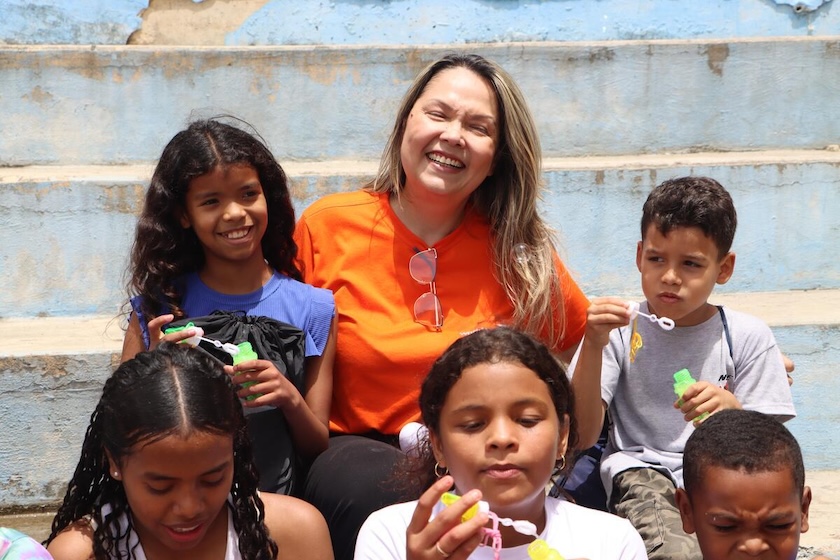
Maribel Prada, director of World Vision in Venezuela, where the NGO has been working for years and now has more than 200 local staff members in the country. World Vision has launched an aid and fundraising campaign to support those affected by the two earthquakes that struck in June 2026. Further information here (Spanish language).
Published in: Evangelical Focus - Latin American perspectives - Venezuela: surviving is not enough