
In Chile, almost one evangelical church is established every day
One in six people (16.3 per cent) in the country identify as “evangelical” or “Protestant”. A chapel in the presidential palace and a government plan to promote Christian centres with a social impact in neighbourhoods are examples of the growing public presence.
Evangélico Digital · SANTIAGO DE CHILE · 14 OCTOBER 2026 · 11:42 CET
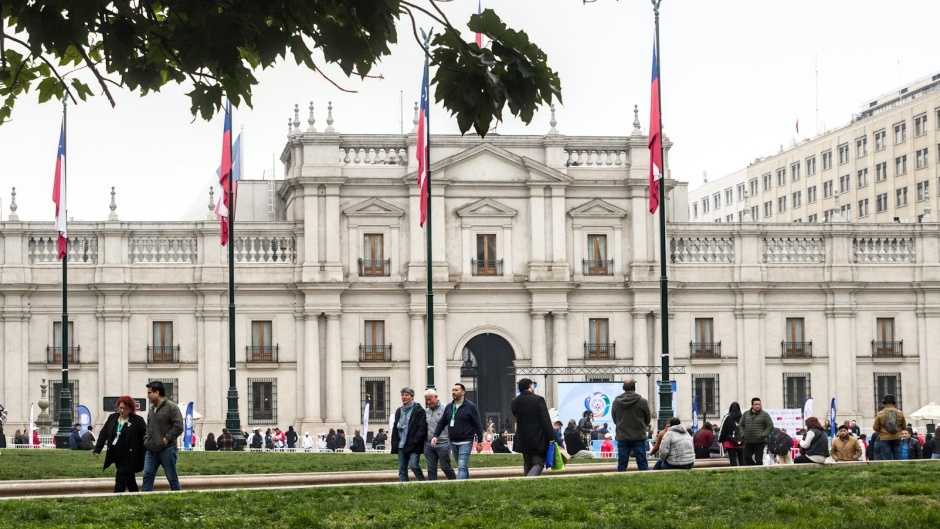
The presence of evangelical Christianity in Chile continues, new official records are showing.
An example is a review of Chile’s Official Gazette carried out by the Chilean news outlet Ex-Ante. It shows 82 religious organisations registered officially with the state in just three months: 36 in June 2026, 28 in July, and 18 in August.
These data amount to an average of nearly one new Protestant church per day, in addition to a further 16 that amended their statutes during the same period. They are spread across 13 regions, although they are concentrated in the centre and south of the country.
All Evangelical Focus news and opinion, on your WhatsApp
A non-hierarchical growth
This growth reflects the way the evangelical world organises itself. Unlike the hierarchical structure of the Catholic Church, evangelical churches are usually autonomous congregations that come together in national platforms and organisations without relying on a single authority. This model allows small communities to emerge, close to their neighbours and rooted in neighbourhoods where they are often one of the few spaces for socialising and support.
According to the Ministry of Justice, the country now has 6,160 religious organisations with Legal status. All of them have been registered after 1999, the year that Law on Religious Worship was passed, which granted non-Catholic denominations a legal status.
One in six Chileans
In the Census of the year 2024, 2,466,607 people aged 15 and over in Chile identified as “evangelical” or “Protestant”, representing 16.3 per cent of the population.
This proportion has grown steadily: evangelicals or Protestants accounted for 13 per cent in 1992 and 15 per cent in 2002. Over the same period, the proportion of Roman Catholics has fallen from 70 per cent to 54 per cent.
The presence of evangelical Christians is particularly strong in the south of Chile: Biobío (33 per cent), La Araucanía (27 per cent), Los Ríos (25 per cent) and Ñuble (24 per cent).
Beyond their quantitative significance, the figures reveal a faith community that is weel established on the territory from the grassroots, with churches springing up in neighbourhoods and connecting with the daily lives of thousands of Chileans.
Presence in public life and policies
Evangelicals in Chile also have now a greater public visibility.
Election campaigns, on both the right and the left, seek dialogue with pastors and evangelical churches, whose organisational capacity and commitment to causes such as the defence of life, the family and religious freedom are recognised.
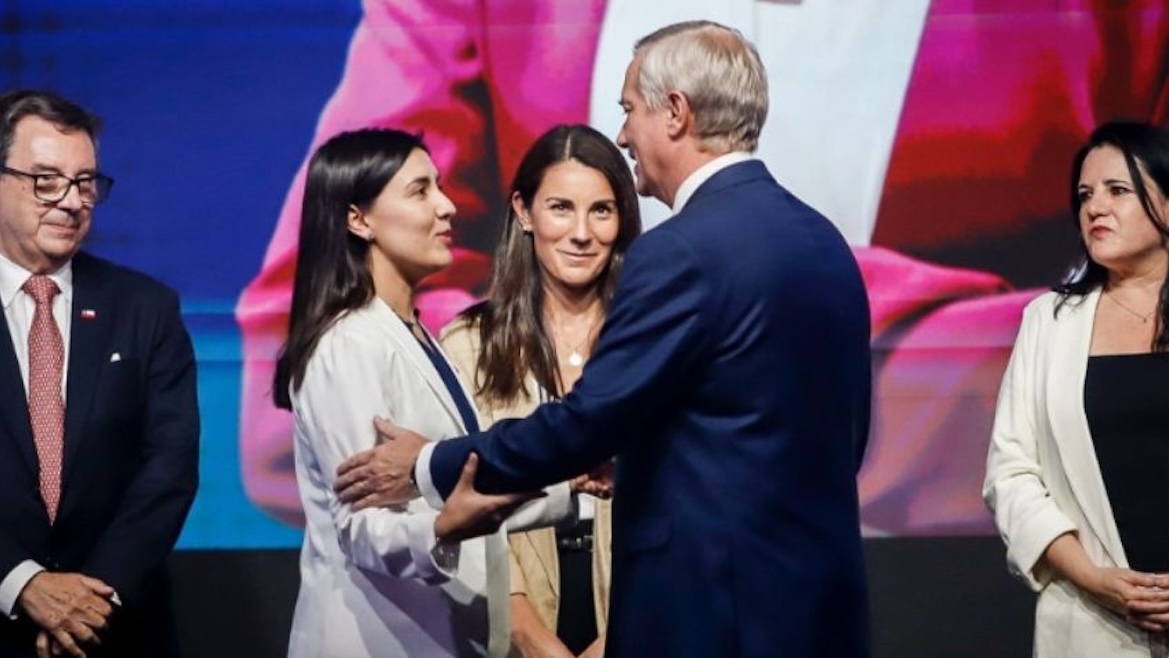
In Congress, at least seven members of parliament identify as evangelical Christians, with three different parties (RN, Republicans, and the Christian Social Party).
A vice-president of the Senate, Iván Moreira (of the UDI party), belongs to a Pentecostal church and represents Los Lagos district.
In the government, Judith Marín, who has an evangelical background, heads the Ministry for Women.
Not homogeneous
But the evangelical community is not homogeneous in its socio-political leanings. Despite majority support for Chile’s president, right-wing José Antonio Kast, in 2021 a group of Catholic bishops and evangelical pastors signed a declaration of support for the former president, leftist Gabriel Boric.
In 2026, the current government has established an evangelical chapel in the presidential La Moneda Palace, where services are held on Tuesdays and Thursdays at midday. According to the Presidency, the measure aims to ensure that evangelicals have a space of their own, just as Roman Catholics have theirs.
For its part, the Ministry of Housing has launched a scheme to build Community Worship Centres, open to different denominations, with 22 projects nationwide. Each centre will cover 120 square metres, of which a maximum of 30 will be dedicated to religious services and the rest will be rooms to host workshops, meetings and social activities. Minister Iván Poduje defended the initiative, highlighting the social work carried out by local churches in the most vulnerable neighbourhoods.
Do you see a need for this kind of journalism?
Through news, interviews, opinion and analysis, we seek to build bridges between evangelical churches and the societies in which they live.
As a non-profit entity, the big challenge is to be sustainable, month by month. We invite you to make a difference! Join the readers who make Evangelical Focus possible.
Published in: Evangelical Focus - world - In Chile, almost one evangelical church is established every day