
Archaeological finds reinforce the location of Cana, where Jesus performed his first miracle
The location of Cana continues to be debated among scholars. Excavations at Khirbet Qana may now provide convincing evidence.
Protestante Digital, The Jerusalem Post, FOX News · JERUSALEM · 08 JULY 2025 · 14:30 CET
A team of archaeologists has presented new evidence that supports the hypothesis that Jesus performed his first miracle, turning water into wine at a wedding in Cana of Galilee, at the archaeological site of Khirbet Qana, located about 12 kilometres northwest of Nazareth in the Galilee region of Israel, rather than at the traditional site of Kafr Kanna.
Excavations at Khirbet Qana began in 1998 under the direction of Professor Douglas Edwards, and are currently led by Dr Tom McCollough, former professor of religion and history at Centre College (Kentucky, United States).
McCollough told Pen News that the site presents “compelling evidence” that supports the biblical account in the gospel of John.
A Jewish settlement at the time of Jesus
Archaeological research has confirmed that Khirbet Qana was occupied by Jews between 323 BC and 324 AD, covering the period from the Hellenistic era to the late Roman Empire.
Elements of Jewish culture have been identified, including a Beit Midrash (religious study centre) and coins minted during the Maccabean revolt.
However, the traditional village of Kafr Kanna, which is located closer to Nazareth and was popular among medieval pilgrims, has not provided any archaeological evidence of a first-century Jewish settlement. This weakens its identification as the Cana of the New Testament.
Christian caves and stone jars
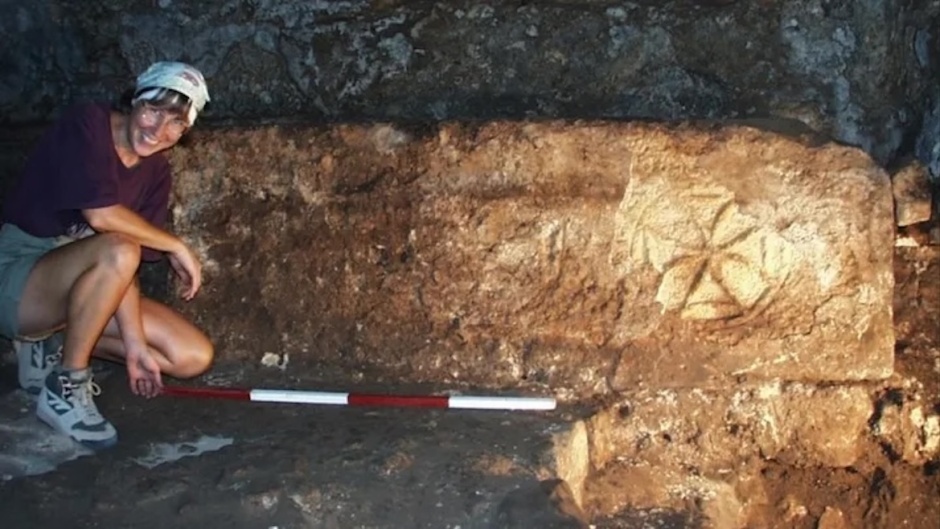
One of the most significant discoveries at Khirbet Qana is a system of underground caves that were used as places of worship by early Christians. They date from the Byzantine period to the Crusader era (5th to 12th centuries AD).
In one of those chambers, archaeologists found a makeshift altar made from the inverted lid of a sarcophagus. Above this was a shelf with a large stone jar and space for five more.
This arrangement coincides with the biblical account which mentions six stone jars used for ritual washings which Jesus ordered to be filled with water before turning it into wine (John 2:1–11).
The jars had a capacity of between 70 and 120 litres each, a detail also mentioned in the biblical text.
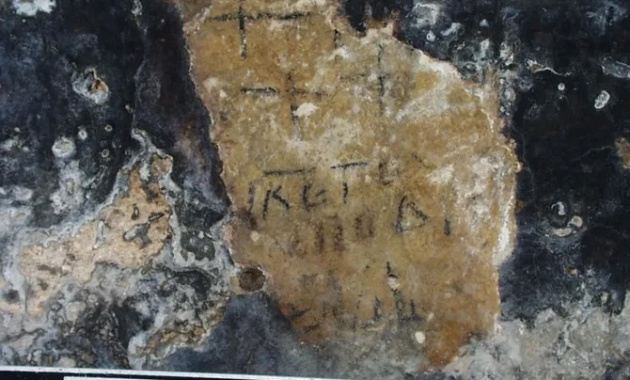
They also found Greek inscriptions with the phrase Kyrios Iesou (‘Lord Jesus’), crosses carved into the walls, and pilgrims' names
“All this points to the fact that Khirbet Qana was considered the Cana of the New Testament from a very early period”, said Dr. McColloug.
A relevant place for Jesus and his followers
According to the archeologist, the excavations “have shown that this was a thriving Jewish village located in the heart of much of Jesus’ life and ministry”.
Historian Dr James Tabor explained to Greek news website Newsbomb that, although medieval pilgrims preferred Kafr Kanna for its accessibility, evidence suggests that Khirbet Qana may have had “a more personal connection to Jesus”.
“Cana may have been extremely significant for Jesus and his followers. It may have even been a personal retreat for Jesus himself”, he added.
Join us to make EF sustainable
Learn all about our #TogetherInThisMission initiative here (English).
Published in: Evangelical Focus - culture - Archaeological finds reinforce the location of Cana, where Jesus performed his first miracle