
Ornaments, toys or idolatry? A female face mould from the First Temple period found in Jerusalem
Female figurines were also made in the capital of the Southern Kingdom at a time when the Bible describes tensions between various Canaanite sects and the worship of God.
Protestante Digital · JERUSALEM · 26 AUGUST 2026 · 16:46 CET
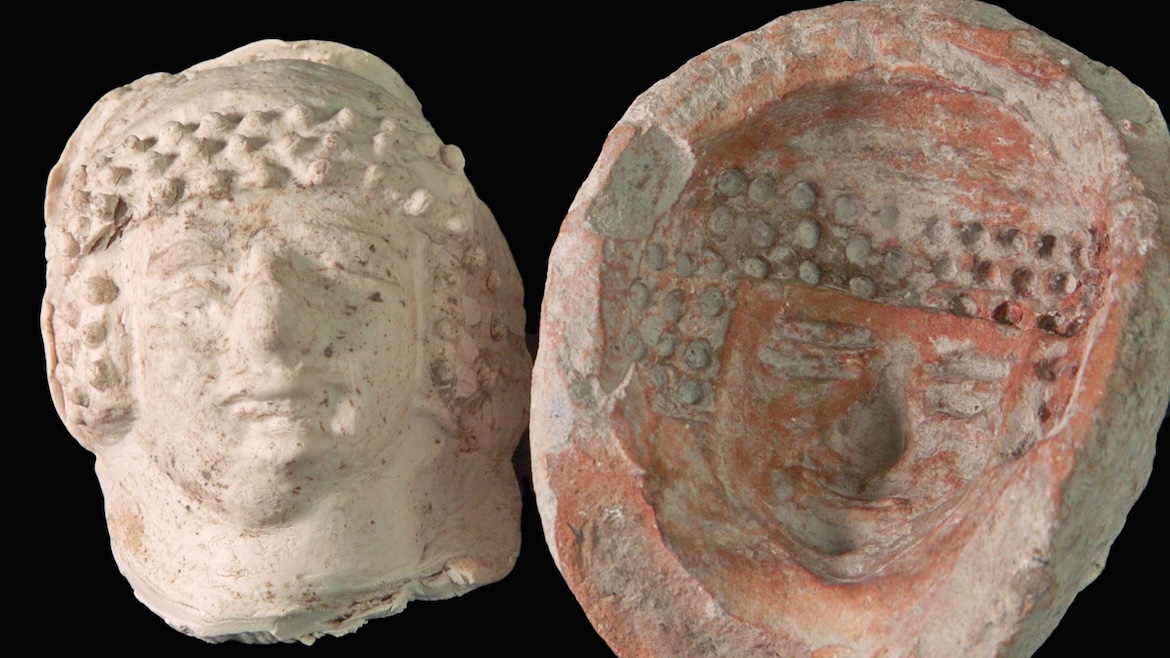
The Israel Antiquities Authority (IAA) announced the discovery of a 2,600-year-old clay mould during excavations carried out around the Tower of David in the Old City of Jerusalem.
The artefact was found at the Kishle, a former Ottoman prison next to the Tower of David, while sifting through sediment from the First Temple period (9th–7th centuries BC).
The mould allowed the reconstruction of the face of a figurine with well-defined features and an elaborate, curly hairstyle.
All Evangelical Focus news and opinion, on your WhatsApp
“Clay figurines from the First Temple Period are known from almost every archaeological excavation conducted in Jerusalem and throughout Judah”, explains archaeologist Amit Re’em, co-director of the excavation.
“Until now, however, no production molds for these figurines had ever been discovered in Jerusalem. This raised the question of whether they were manufactured locally or imported from elsewhere. The discovery of this mold is therefore the first of its kind in Jerusalem, providing direct evidence that at least some of these figurines were produced within the city itself”, he adds.
How were they made?
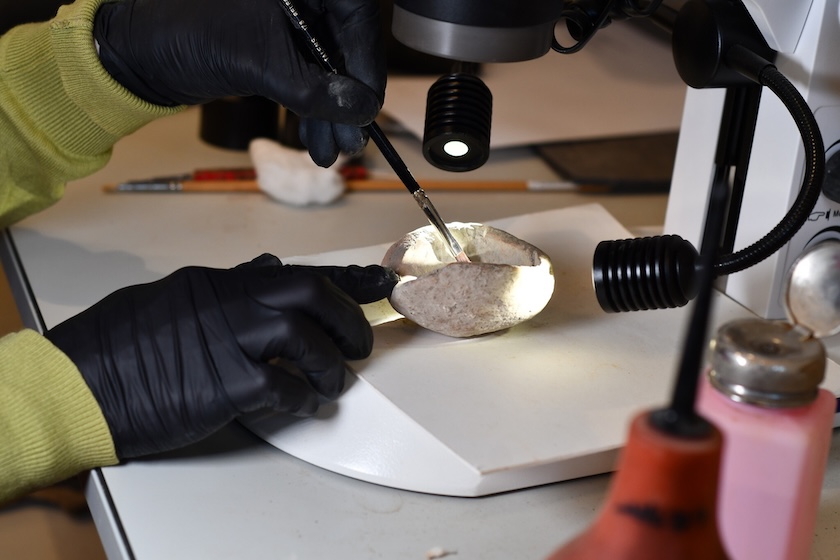
These figurines were produced using a method that can now be replicated, thanks to clues found on the figurines themselves and moulds such as the one recently discovered.
The figurines are often found broken at the neck, which is consistent with this production method, in which the body and head were moulded separately by hand while the face was made using a mould.
For some experts, the level of detail in the faces suggests that the figurines may have had a significant symbolic or religious function.
An ornament, a toy or a representation of Asherah?
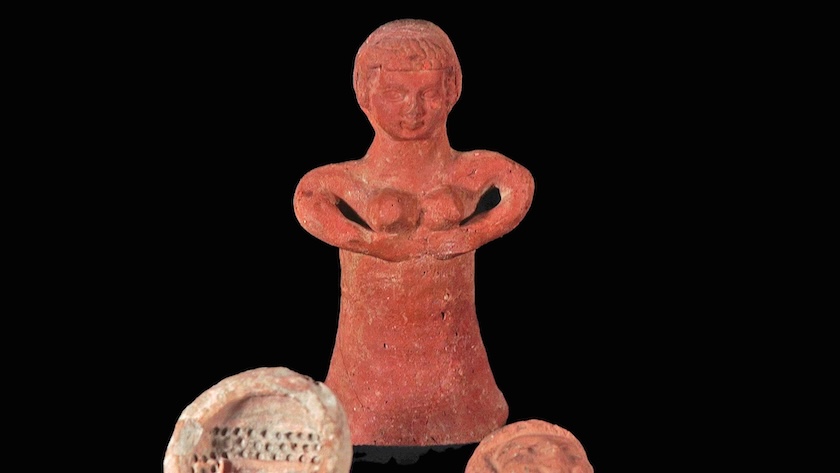
Debbi Ben-Ami, curator of the Iron Age at the IAA, points out that “the identity and purpose of the Judean Pillar Figurines remain the subject of scholarly debate”.
“They have previously been interpreted as representations of a fertility goddess—perhaps the goddess Asherah—and some have even suggested they were children’s toys. However, they may instead have served as mediating or blessing figures, functioning as household amulets intended to bring blessing, protection and good fortune”, she added.
The fact that “they have been found in almost every household, as well as in streets and tombs, indicates that they were objects of everyday use”.
In an article published on Evangelical Focus, Marc Madrigal, pastor of the Protestant Church of Istanbul, explored how the figure of Asherah was worshipped in the neighbouring Canaanite villages of Israel.
“The Hebrew word Ashe·rah (pl., ashe·rim) appears 40 times in the Bible is thought to refer to both a sacred wooden pole representing the goddess Asherah (Judges 6:25, 26) and the goddess Asherah herself (see 2. Kings 13:6)”, he explains.
At the time of Uzziah and Hezekiah, the worship of Asherah had also spread to the Kingdom of Judah, to the extent that the biblical account states that Hezekiah “removed the high places and cut down the Asherah poles” (2 Kings 18:4).
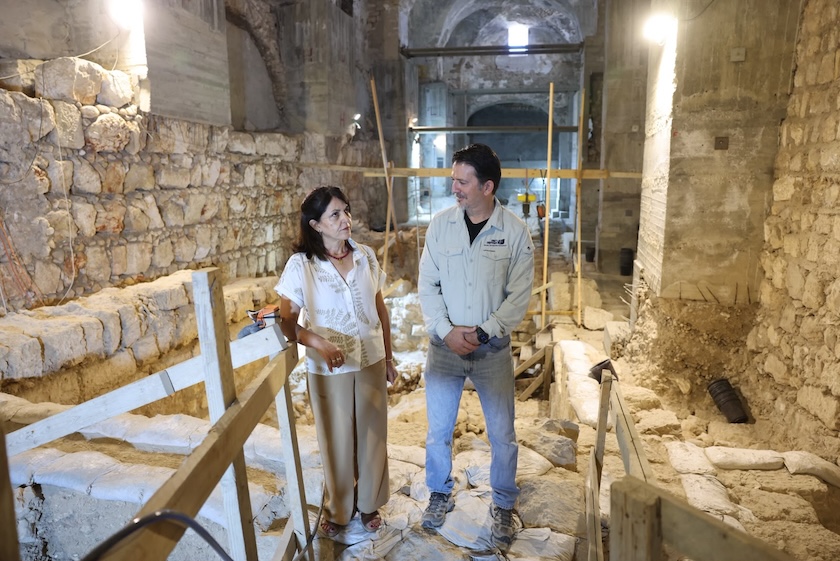
For Eilat Lieber, director and chief curator of the Tower of David Museum, the discovery sheds light on the tension within the Kingdom of Judah's society between worshipping Yahweh and the persistence of Canaanite practices in the domestic sphere. “We are aware of the struggles of the kings of Judah to impose belief in one God instead of Canaanite worship practices”, she stated.
The mould dates from the period of the Kingdom of Judah, which is also documented archaeologically at Lachish. There, researchers discovered a desecrated altar that confirmed the biblical account of Hezekiah’s religious reforms.
If this is the correct interpretation, the figurines would provide further material evidence of the conflict described in the prophetic books, of a people torn between loyalty to Yahweh and idolatry centred on Canaanite deities.
Do you see a need for this kind of journalism?
Through news, interviews, opinion and analysis, we seek to build bridges between evangelical churches and the societies in which they live.
As a non-profit entity, the big challenge is to be sustainable, month by month. We invite you to make a difference! Join the readers who make Evangelical Focus possible.
Published in: Evangelical Focus - culture - Ornaments, toys or idolatry? A female face mould from the First Temple period found in Jerusalem