
When abuse occurs in churches, Christians ‘must approach the Bible with honesty and courage’
A training day in Madrid on abuse in Christian contexts, with experts from GRACE, explored the challenges and opportunities for restoring victims, as well as creating an integrity-based and fair church culture.
MADRID · 27 JANUARY 2026 · 11:18 CET
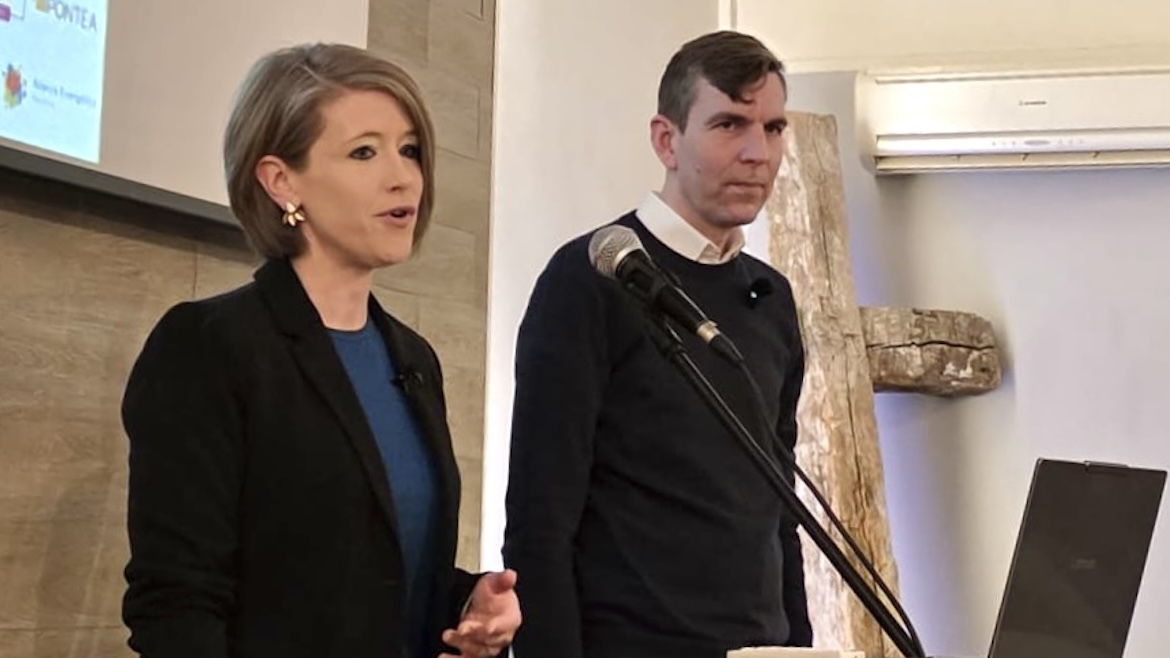
On Thursday, 22 January 2026, fifty people, many of them in different areas of evangelical leadership, participated in a training and awareness-raising day organised in Madrid by Mesa Salmo 15 (in English, Psalm 15 Table) together with GRACE, a leading organisation in investigating abuse in Christian contexts.
María Eugenia Prendes, Spain's State Prosecutor for Violence against Women, apologised for her absence due to urgent travel commitments. The prosecutor had already received Mesa Salmo 15 and GRACE on Tuesday at her office in the capital.
On Thursday morning, representatives of the Spanish group of evangelical leaders working to raise the awareness about the need to fight abuse in churches, and GRACE, had met with representatives of the conservative People's Party, the largest opposition group in the Spanish parliament. A meeting with the Social Democrats of Prime Minister Pedro Sánchez is being organised as well.
On Wednesday morning, they spoke with journalists from secular media.
All Evangelical Focus news and opinion, on your WhatsApp.
Training in Madrid
During the event, at the offices of the Amistad Cristiana evangelical church in Madrid, Andy Wickham presented the desire of the Psalm 15 Table catalyst group to see a change in culture that shapes a church of integrity and justice. “It has been inspiring to see, over the past few months, hundreds of people wanting this change and saying that we cannot look the other way”, he said.
Adolfo Barreda, a well-known lawyer who defended victim Nevenka Fernández in a landmark case against sexual harassment in Spanish politics 20 years ago, greeted the attendees, explaining that he had come into contact with Mesa Salmo 15 after advising them on a case of abuse in an evangelical setting. “The problem affects not only the ecclesiastical sphere, but society as a whole”, he said.
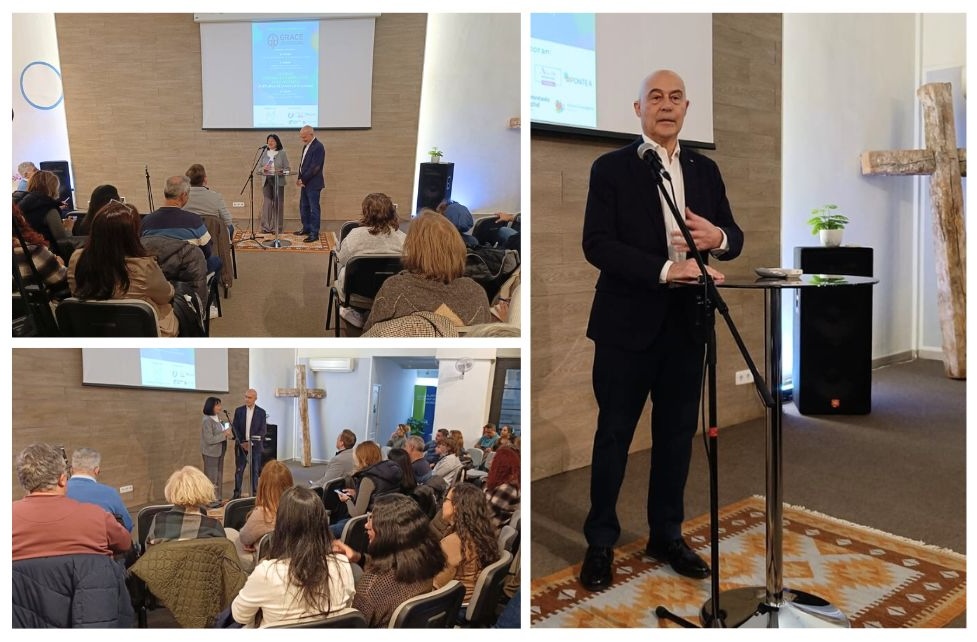
He found it very interesting to meet evangelicals “who have the courage” to address these dark realities. “As believers, you are part of society, and this affects the most vulnerable people”.
The experienced lawyer referenced French philosopher Albert Camus, saying that “what is commendable is not saying ‘no’ to others, but to our own people, to ourselves”.
Barreda said that amending the criminal code to add an aggravating factor for sexual abuse if committed by a religious leader is worthy of debate, and that “the mere fact that you are considering it is worthwhile”, especially after the Catholic Church recently reached an agreement with the Spanish state to compensate its victims.
Laura Thien on the journey to combat abuse
Laura Thien, CEO of GRACE, presented the organisation’s history. “This visit to Madrid has energised us and given us a lot of hope in this fight”, she explained. “We agree with Mesa Salmo 15 in its attempt to change the legislation”.
GRACE was founded by a grandson of Billy Graham, who saw how members of evangelical churches often sided with abusers in cases that were beginning to come to light and brought to court.
The goal of the entity now is that every church is a place of “love, God's justice, promoting safety, compassion, accountability and healing”.
.jpeg "When abuse occurs in churches, Christians ‘must approach the Bible with honesty and courage’")
Churches often “do not know where to go to investigate incidents that do not strictly fall into the category of crime under the law”. This led the team to conduct its first investigations in 2010. From that year on, “we couldn't stop, because we were responding to needs that no one else was meeting”.
In 2025 alone, GRACE conducted 18 investigations into abuse, mostly in the US, but also in Colombia, Mexico and Germany. They also travelled to Africa, Asia and Europe to offer training on safeguarding.
“Around the world, we see that the issues that recur are the same, which means that the global church has an opportunity to respond together, testifying to the world about God's heart for the vulnerable, something that transcends cultures”, Thien said.
The need for external investigations
Laura Thien defended the need for investigations to be independent and external, to avoid blind spots and lack of accountability. Unlike a criminal investigation that focuses only on finding evidence of crimes, GRACE seeks to provide a broader picture of what has happened. Achieving this requires a multidisciplinary team of theologians, lawyers, law enforcement officers, and trauma experts.
They often encounter poor prevention policies in churches, as well as so-called community grooming, which occurs when “a spiritual leader desensitises an entire faith community to accept his actions or not question them”.
A poor response from Christian leadership to allegations can be devastating for victims. “One victim once told me that the hurtful response from the church caused her even more pain than the abuse she initially suffered”, Thien explained.
Robert Peters: “It's inspiring to see Christians who take this issue seriously”
Robert Peters, a former prosecutor and trainer of investigators in the field of child sexual abuse in the US, told attendees that “this trip to Spain has been an absolute gift for the entire GRACE team. It’s incredibly inspiring to see Christians who take their faith seriously”.
“We have a sacred opportunity to reflect Christ to those who have suffered abuse, because the consequences of doing the right thing are not only seen in this life, but are eternal”. But he also warned that “if you advocate for justice, you will always encounter opposition, yet the impact of doing nothing is too great”.
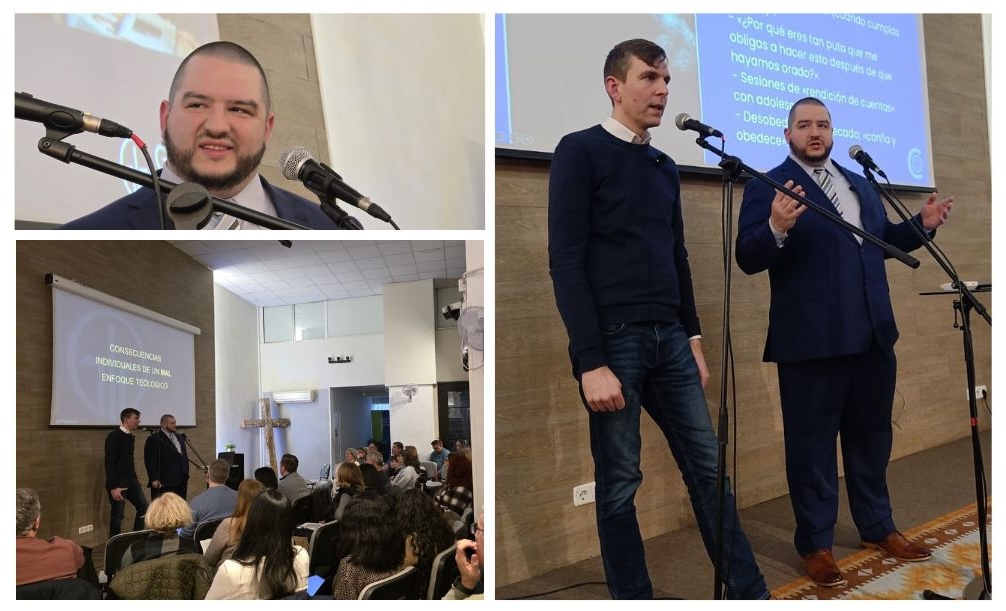
Peters said several times that bad theology has serious effects on people. “The way you view authority, the way you view sin, the way you view people”—all of this is key. “You have to approach the Bible with honesty, as well as discernment”, and with “courage”.
After 20 years of much talk about sexual abuse in the Roman Catholic Church, he lamented that many evangelical churches in the US have failed to “listen to the voices of their own victims”, causing great harm “both to individuals and to their own communities”.
Evangelicals must anticipate the presence of wolves
“We must understand that wolves target churches. They see the goodwill and trust that exist in churches, and they want to take advantage of that”, said Peters.
“Abusers are very careful not to cross legal red lines, and the moment they see that their actions may have no consequences, they launch into the abuse in a spiritualised way”.
Some environments at risk for abuse include, for example, accountability dynamics with adolescents in youth groups in which issues of sexuality are discussed, where an abuser could use such sensitive information to set the stage for their assaults.
The researcher also noted that, in his experience, sexual abuse often has ramifications that connect it to financial and spiritual abuse.
Churches that enable abuse?
Abusers use environments and systems that they see as favourable. There are often harmful theologies that speak of “not touching God’s anointed” or force “reconciliation” between abuser and victim by misapplying biblical texts such as Matthew 18. It is even possible to encounter discourses on the need for “submission” by the victim in situations of domestic violence.
Other dangerous systems in churches emphasise everything a leader has done right in the past to overlook present accountability. Also, the requirement of two witnesses to validate the experience of a victim who dares to come forward can be used in systems that do not seek to protect vulnerable people in the first place, but rather the leader accused of abuse.
An investigation cannot be conducted without outside help
If churches are going to conduct an investigation, they should never be under the influence of the potential perpetrators, said Robert Peters. “Abuse has very complex cultural and systemic dimensions, so it is important to bring in experts from various disciplines”.
There is a risk that an internal investigation that does not include outside experts could be “used as a form of cover-up”.
Expert entities invited from outside have the ability to “look beyond: what happened, how we responded, and how we in the churches can generate stronger cultures of care in the future”.
Cases of abuse are an opportunity to show “institutional courage rather than betrayal of victims”.
The Bible speaks a lot about abuse
Robert Peters concluded by giving biblical examples of how to respond to abuse. “God is not surprised that there are abusers among us”, he said. He mentioned Matthew 7:15 about “ferocious wolves dressed as sheep”, Matthew 10:16, Proverbs 21:15 (“when justice is done, the righteous rejoice and the wicked tremble”).
Abuse is confronted in passages such as Proverbs 24:24-26 and Matthew 18:6, he recalled. “We cannot minimise or ignore the evil that is done in the name of God; we must condemn it”. Therefore, it is crucial that pastors and other faith leaders carefully evaluate “how we use Scripture when interacting with victims”.
The Bible should be used “to comfort, strengthen and show the heart of God, as in Psalm 9:9-12”.
Open conversation
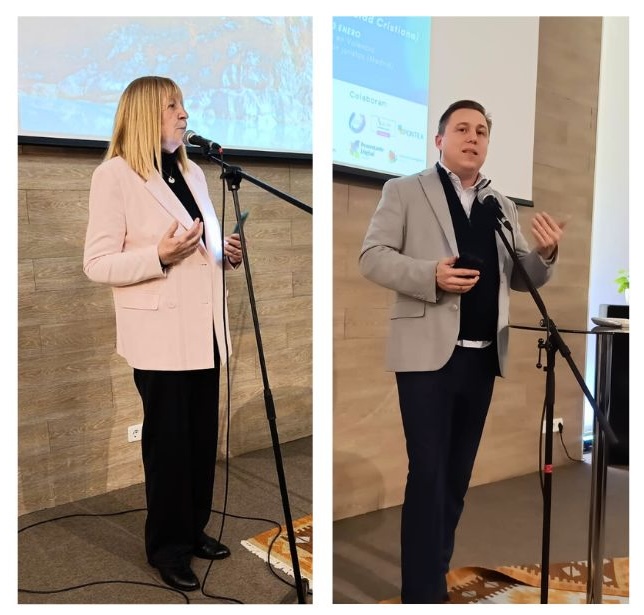
After the presentations, there was a Q&A time with the audience, delving deeper into the topics presented. They discussed how to foster this cultural change in churches, how to avoid making the ‘righteous pay for the sinners’ when changing the church culture, and how to prevent unwanted abuses of power in the pastoral relationship between a leader and a church member, for example.
Another question was how it would be possible to create an institution like GRACE in Spain, something that Robert Peters considered exciting after conversations with Mesa Salmo 15 this week.
The day included another session by Laura Thein on power relations and the possibility of causing trauma. Colombian psychologist and university professor Lina Fernanda Montoya, also present in Madrid this week for talks, addressed the issue of abuse in evangelical contexts from her own experience with victims in Latin America.
More gatherings at the end of the week
The week of activities ended with high-speed train trip by GRACE and representatives of Mesa Salmo 15 to Valencia on Friday 23rd to meet with 20 evangelical leaders from the city, and another meeting that afternoon back in Madrid with a dozen Christian solicitors, criminologists and police officers.
Join us to make EF sustainable
Learn all about our #TogetherInThisMission initiative here (English).
Published in: Evangelical Focus - europe - When abuse occurs in churches, Christians ‘must approach the Bible with honesty and courage’