
Madrid, first Spanish region to pass a law on ‘the conceived unborn child’
The law recognises the unborn as a family member for administrative purposes from the start of pregnancy. Abortion advocates in the regional parliament showed their opposition in a tense debate.
Protestante Digital · MADRID · 07 JULY 2026 · 15:53 CET
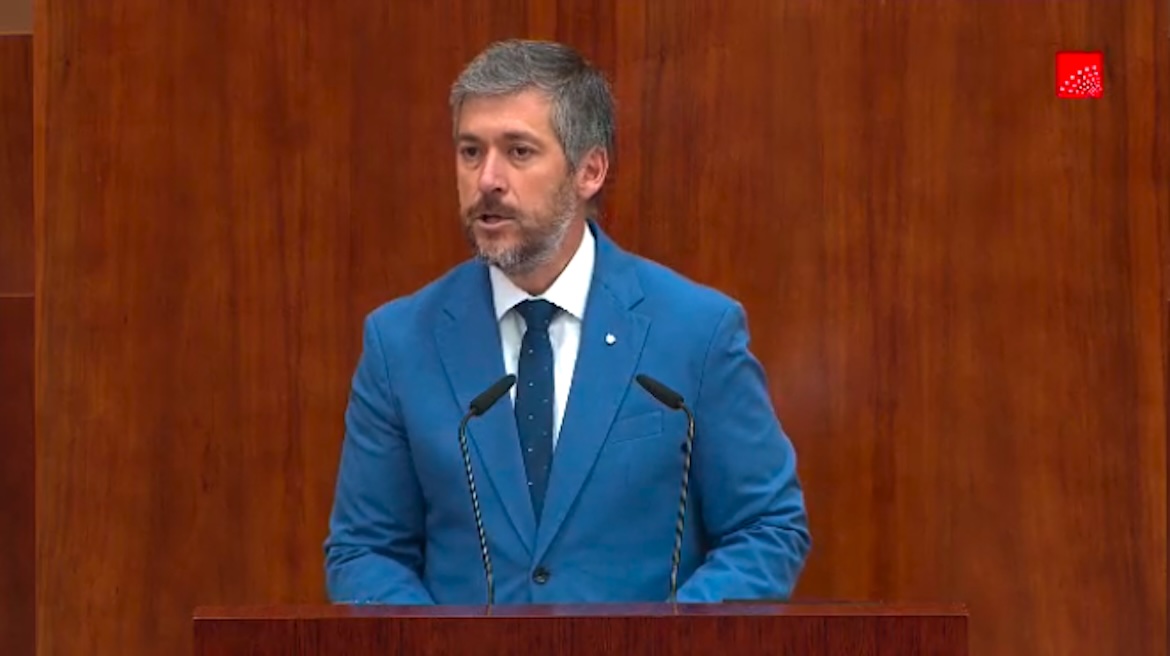
The Madrid regional parliament (Assembly) recently passed the 'Law on the unborn conceived' (embryo), which recognises the unborn child as a family member for administrative purposes, from the start of the pregnancy.
This allows access to benefits for which eligibility depends on the number of family members (grants for private nursery schools, school meals, etc.), by submitting a medical that confirms the pregnancy of the mother.
Families with two children will be considered "large families" from the 14th week of pregnancy with their third child, and will have immediate access to the associated benefits such as public transports discounts.
All Evangelical Focus news and opinion, on your WhatsApp.
Madrid is the first region in Spain to pass a legislation of this kind. It seeks to to increase the birth rates and improve governmental support for families. But the law also recognises the rights of the 'unborn child' and legally acknowledges its existence.
Abortion supporters view this as contrary to their ideology and legislative stance, and expressed it in a tense debate.
The passing of the law is a key political move for the conservative Popular Party (PP) regional government ahead of the summer, and could be a potential battleground in the forthcoming regional elections.
A national law?
Only days after the law was passed in Madrid, PP national leader Alberto Núñez Feijóo (leader of the opposition to PM Pedro Sánchez's government) announced that he plans to promote a national law to ensure that the “conceived and unborn” have “economic and social recognition” if he wins the next general election, in 2027.
The main opposition party frames this proposal as part of a family law to "support motherhood, promote work-life balance" and ensure that "having children in Spain is no longer a heroic feat", said its national spokesperson, Borja Sémper.
Parties’ positions
During the debate and following press conference, MPs and spokespersons in the Madrid parliament presented their views.
The conservatives, in power, said such a law is needed to support the birth rate and families. For the government majority in the capital's region, it is a law “in favour of”, not against, anyone. It is a useful policy which expands financial assistance and facilitates access to grants and rental support for young people, they added. The law is about "creating life" and not about ideological confrontation.
On the other side, the PSOE (Social Democrats) considers that the law responds to a “culture war” and not to the real needs of families. They announced that they will appeal against it in higher courts to try to have it suspended.
Far-right party, Vox supports the law, but finds it "insufficient" and calls for the introduction of "national priority" in accessing benefits, meaning giving priority to Spaniards ahead of migrants in the country. They also urge the PP to take a stance on whether the unborn child is a "human reality" with the right to dignity and all the rights to which they are entitled.
For the radical left-wing coalition party Más Madrid, the law does not meet the real needs of families in Madrid, and the PP's defence of life “ends in the delivery room”, overlooking a child's needs once they are born and throughout their life.
Defense of the born and the unborn
At the press conference, Spanish news website Protestante Digital asked Más Madrid spokesperson, Manuela Bergerot, whether, given that they pointed out inconsistencies in the defence of both the unborn and the already born by Vox and the PP, it could also be said that her party defends the already born but neglects or overlooks the unborn.
“No”, replied Bergerot to Pedro Tarquis, journalist of the Christian media group. “To start a family, you need to be able to afford a home, not the certainty that you’ll receive a cheque for the first five months of your baby’s life”.
“This law actually questions women’s right to make decisions about our own bodies […] We will not accept that the rights won by the feminist movement over decades are sacrificed in the name of defending families”, she said.
Do you see a need for this kind of journalism?
Through news, interviews, opinion and analysis, we seek to build bridges between evangelical churches and the societies in which they live.
As a non-profit entity, the big challenge is to be sustainable, month by month. We invite you to make a difference! Join the readers who make Evangelical Focus possible.
Published in: Evangelical Focus - europe - Madrid, first Spanish region to pass a law on ‘the conceived unborn child’