
With the irruption of Trump, Europe’s illness appears even more serious
Europe has an enormous bureaucracy (parliament, commission, council, courts, etc.), many skills and excellences in various sectors, but it does not have an adequate leadership.
03 MARCH 2025 · 09:36 CET
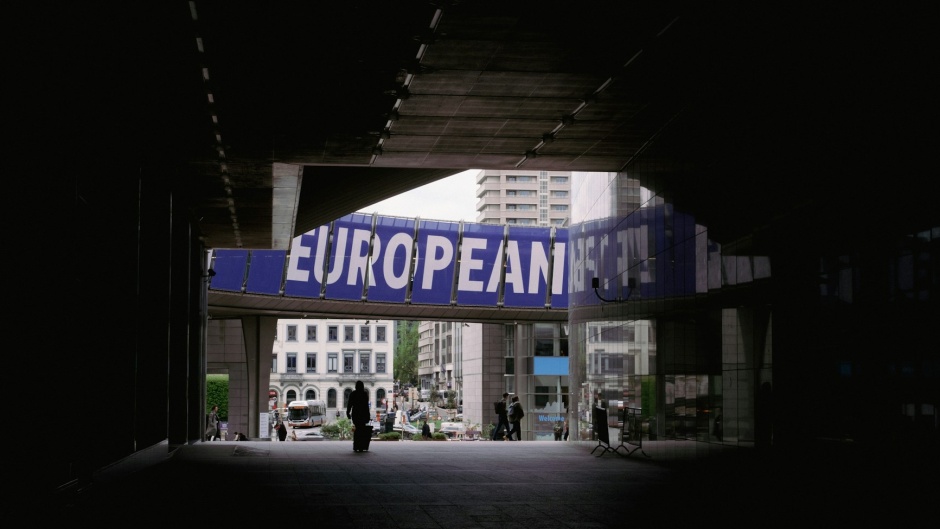
Now that Trump has once again become President of the Unites States and has immediately flexed his muscles and redesigned world politics, what will Europe do?
Good question! Like it or not, Trump is a train in motion that knows where it wants to go. In comparison, Europe is like a battered and broken-down vintage car, with the engine switched off.
The Trump presidency, in energetic contrast to climate, internationalist, gender and globalist policies, can only make the European crisis even more evident.
What is the European malaise? Many have grappled with this question, from the Roman popes to sociologists, opinion leaders and prominent economists. In the aftermath of the inauguration of the Trump presidency, the magazine Evangelical Focus hosted an interesting forum of European evangelical leaders on the subject.
There are three symptoms around the bedside of a sick Europe that must be taken into consideration.
1. Europe has proceeded by subtraction or by tradition regarding European values, but without assimilating its plural base that includes Protestantism. The subtractionists (laicists and secularists) wanted to exclude religion from European culture; the traditionalists (Catholics and Orthodox) wanted to reclaim the ‘Christian’ nature of the continent. The clash between them has led to Europe's bewilderment and the current stalemate.
The institutional form of Europe has been developed in bits and pieces, in a confused way and without an overall vision
2. The institutional form of Europe has been developed in bits and pieces, in a confused way and without an overall vision: first the European ‘market’, then the European ‘community’, and finally the European ‘union’. These have all been half-choices, without an architecture that would hold together politics, defence, economy and society. The result was the growth of European bureaucracy without resolving the knot of Europe's political identity.
The model that could have offered a perspective (the federal one) was never really considered, much less implemented. Today Europe is a jumble of things without a future. The procrastination of fundamental choices is now taking its toll, leaving an unfinished and, even worse, stalled project as a legacy.
Does evangelical culture have something to say and to testify to Europe about Europe? Or is it also part of the disease?
Other leaders have not arrived. Europe has an enormous bureaucracy (parliament, commission, council, courts, etc.), many skills and excellences in various sectors, but it does not have an adequate leadership capable of looking to the future and pointing the way forward.
These are the traits (among others) of the European disease. By entering the scene, Trump hasn't made Europe sick, he's only made the existing disease even more evident.
European evangelicals have a task to carry out that can no longer be postponed: does evangelical culture have something to say and to testify to Europe about Europe? Or is it also part of the disease that has paralysed Europe?
Leonardo De Chirico, evangelical pastor in Rome and author. This article was first published in January 2025 in Italian by Loci Communes. Tanslated with permission.
Join us to make EF sustainable
Learn all about our #TogetherInThisMission campaign here (English).
Published in: Evangelical Focus - European perspectives - With the irruption of Trump, Europe’s illness appears even more serious