
UK bans social media for under-16s: “If there was ever a time to invest in our young people, it is now”
The Prime Minister’s announcement has drawn criticism from teenagers who conduct most of their social lives via social media. We asked the policy adviser at the Evangelical Alliance UK about the role churches should play in offering places of community and friendship.
LONDON · 17 JUNE 2026 · 19:21 CET

Hundreds of thousands of teenagers will see their access to platforms for chatting online with friends cut off. Prime Minister Keir Starmer’s announcement of a ban on social media access for all under-16s has sparked a huge debate in the UK.
The ban would come into force in early 2027, following the lead of countries such as Brazil and Australia, where governments share the British leader’s stated aim of “not compromising the safety and happiness of our children”.
All Evangelical Focus news and opinion, on your WhatsApp.
We are banning social media access for under 16s.
— Keir Starmer (@Keir_Starmer) June 15, 2026
These days kids must find their feet in a world where technology intrudes into every area of their life.
I just can’t let that go on anymore. So we’re giving children their childhoods back. pic.twitter.com/jn7iQrcwk8
The debate
Numerous studies have shown a link between social media use and a deterioration in teenagers’ mental health. However, critics believe the government is overstepping its bounds in its control over freedom of communication and citizens’ everyday use of basic technology.
Mark Gilmore, a policy adviser at the Evangelical Alliance United Kingdom (EAUK), analysed the figures and the debate surrounding restrictions on teenagers’ access to social media in an article published in February this year.
Now, following the government’s announcement, Evangelical Focus has put some new questions to him.
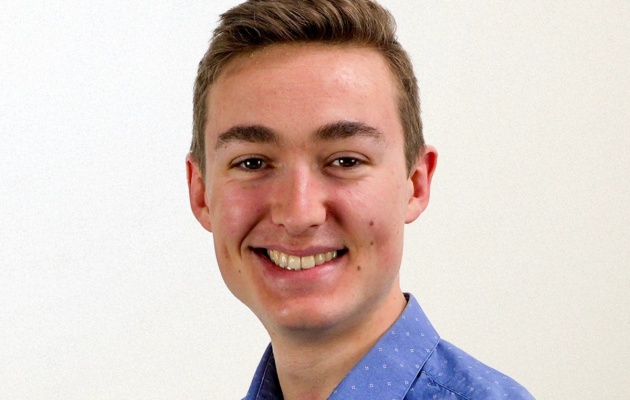
Question. Have pastors and youth leaders spent time and thoughts with teenagers in their churches to address the huge topic of social media use?
Answer. Churches have been grappling with these issues well, and there are great examples of good engagement that go to the heart of the issue. As this ban comes into place, churches need to step up all the more.
“Social media can be a good addition to but a poor substitute for the relationships that we were made for. Christians can bring a sense of realism to the table”
This is where youth clubs, camps, missions and spaces where young people are known and loved beyond their online identity become so important. There are serious missional opportunities to provide young people with the real-world community that they have been deprived of for too long.
Question. A decision like this raises questions. Some say the ban does not help, others say the influence of social media should be limited for adults as well. What can Christians add to difficult and emotional issues such as our use of technology?
A. Christians can add a sense of perspective. We are people made in the image of God and created for relationships. Social media can be a good addition to but a poor substitute for the relationships that we were made for. We can bring a sense of realism to the table.
Government intervention will not work on its own. It takes investment from communities, churches and families in order to work.
This ‘Anxious Generation’, as Jonathan Haidt’s titular book coined them, is anxious because of social media. As they are anxious, they withdraw from the real world, onto more social media, and so the vicious cycle continues. If, as adults, we understand the addictive power of these feedback loops, how can we expect our children to cope?
A social media ban is not a silver bullet; many teens will easily evade it, and so broader online safety reforms are needed to protect the vulnerable.
The balancing act for the Government will be ensuring that this doesn’t encroach on the freedom of adults while also protecting children who are, for good reason, not granted the same freedom under the law.
“Ask two or three young people to invite their friends, get some games going, and the growth in a new youth group may be surprising”
A. We have long held the view that children are not just the future of the church. They are the church.
This decision will have massive implications on the lives of those under 16. To some, it will feel like the Government is cancelling their friendships. In our churches we ought to be sympathetic and work with young people to ensure we do everything we can to support them and provide them with community. This means asking them about what they need and would like to see.
If a youth club doesn’t yet exist in your church, perhaps now may be a good time to think about putting one on. Ask two or three young people to invite their friends, get some games going, and the growth you see may be surprising. If a youth club is already being run and the time and resources exist to make it two nights a week, then why not? None of this is easy, but if there was ever a time to invest in our young people, it is now.
Do you see a need for this kind of journalism?
Through news, interviews, opinion and analysis, we seek to build bridges between evangelical churches and the societies in which they live.
As a non-profit entity, the big challenge is to be sustainable, month by month. We invite you to make a difference! Join the readers who make Evangelical Focus possible.
Published in: Evangelical Focus - life & tech - UK bans social media for under-16s: “If there was ever a time to invest in our young people, it is now”