
Parties competing in the Spanish general election respond to concerns of evangelicals
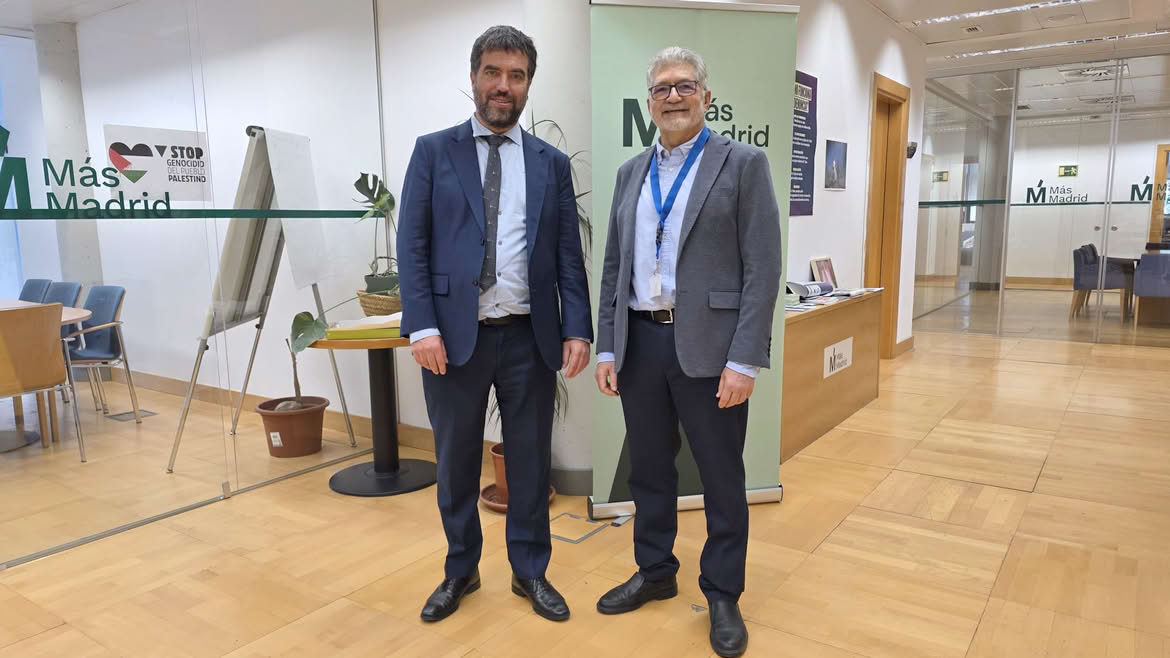
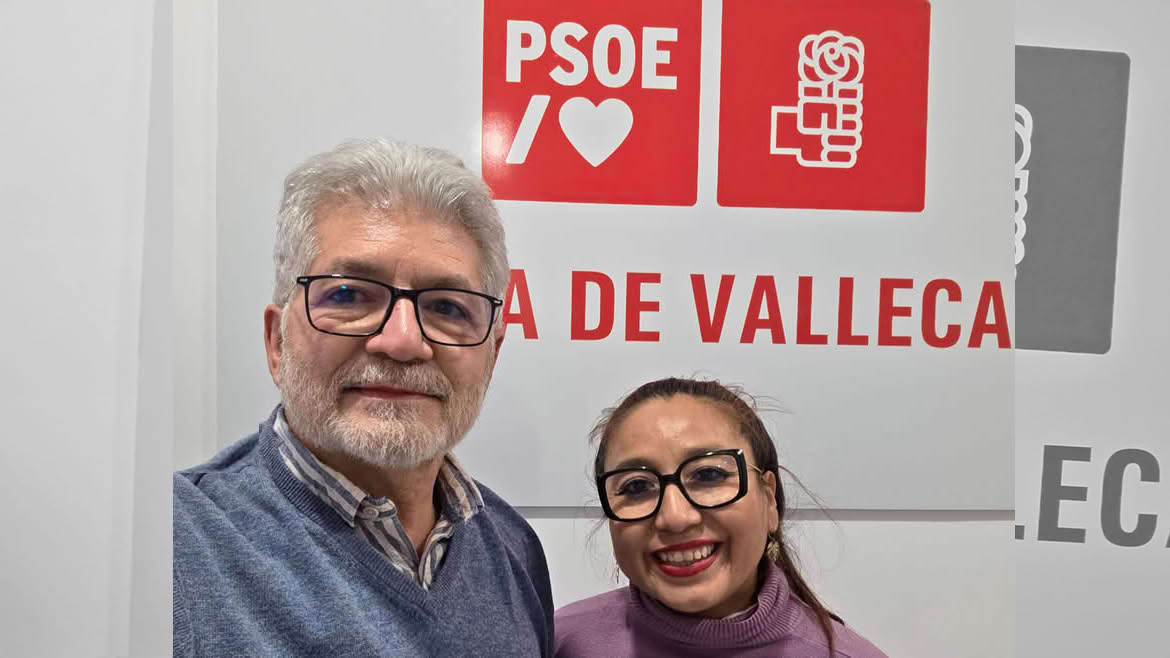
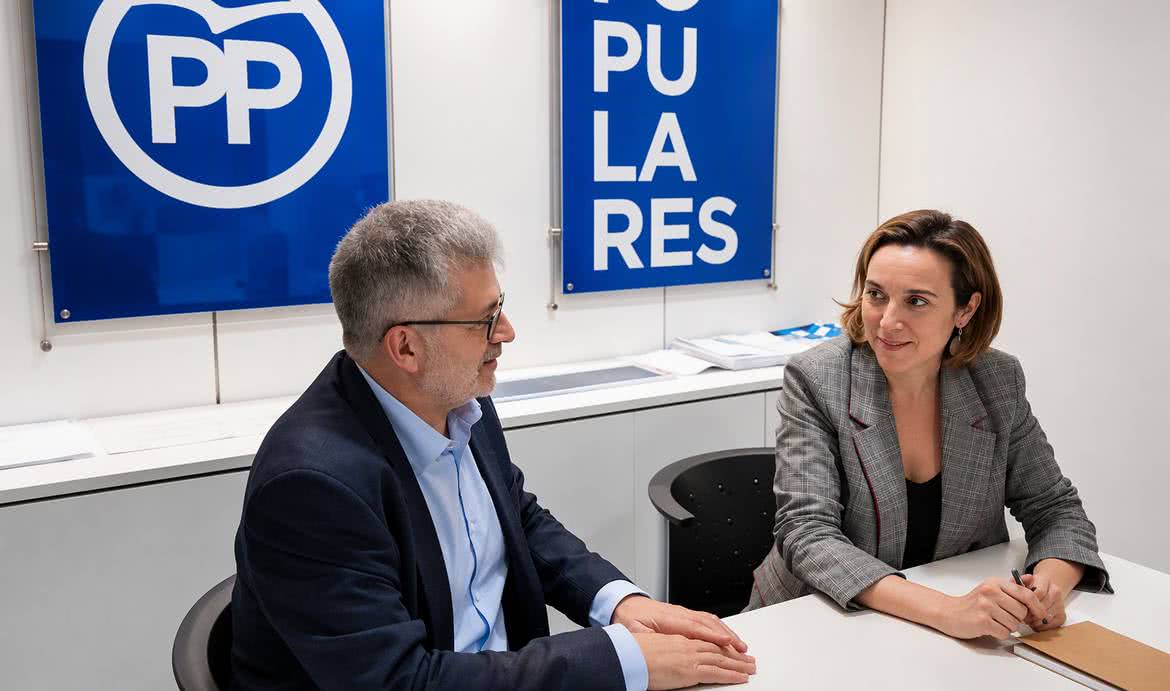
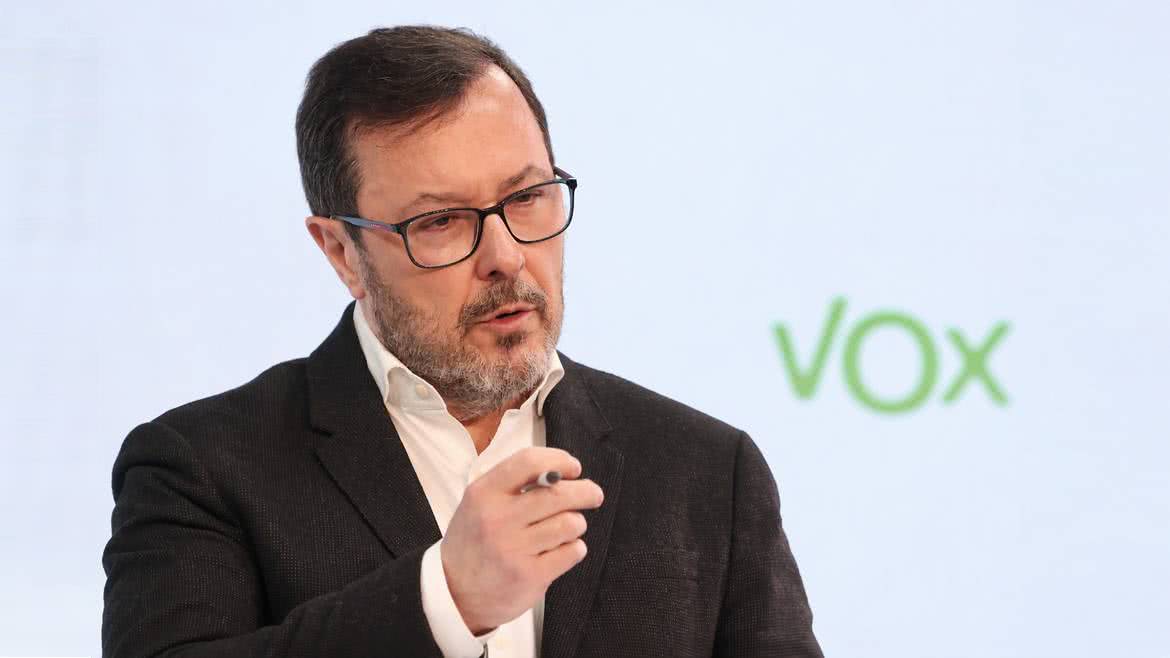
From left to right, spokespeople for the four main candidates spoke to the evangelical media outlet ‘Protestante Digital’ in the days leading up to the vote on religious freedom for minorities, the protection of life and the integration of immigrants.
MADRID · 27 NOVEMBER 2026 · 13:12 CET
On Sunday 29 November, Spaniards will vote to elect a new parliament and senate, which will determine a new government for the next four years. Social Democrat Pedro Sánchez, who has been Prime Minister for the past eight years, could lose power, according to the polls.
Following weeks of high tension, with the leading candidates appearing on all radio and television programmes, and even on YouTube channels run by well-known influencers, the polls point to a technical tie between the PSOE and the conservative People’s Party (PP, led by Alberto Núñez Feijóo). Other parties, such as the far-right Vox or the radical left-wing Frente Amplio, are very likely to become ‘kingmakers’.
All Evangelical Focus news and opinion, on your WhatsApp
Against this backdrop, Spain’s leading evangelical media outlet, Protestante Digital, has managed to get the four parties with the highest projected vote share, to answer questions relating to the interests and priorities of evangelicals, who – whilst still representing only between 1 and 3 per cent of the Spanish population – are by far the fastest-growing religious minority in terms of places of worship, according to official data.
How to get the parties’ attention
“The influence of ‘Protestante Digital’ over recent years means that nowadays all the parties agree to respond,” says Pedro Tarquis, founder of the media outlet and an accredited journalist at the Madrid Regional Parliament.
But that does not mean that “the process of scheduling interviews and securing a good interviewee” is straightforward.
Added to the whirlwind of election campaigns, he says, is “the parties’ fear of negative repercussions from the answers they might give us, and their unease when faced with unusual questions (such as the evangelical Christian perspective)”.
The representatives from Frente Amplio and the Socialist Party were interviewed in person, whilst the spokespersons for the PP and Vox answered the questions in writing.
Politicians in a Christian media outlet?
“What is the usual reaction amongst readers when they see an evangelical media outlet publishing an interview with political parties?”, we asked Pedro Tarquis. “There are always sections of our readership who do not understand that what we are seeking to do with these interviews is to challenge and, at the same time, listen to the different parties.” Some evangelicals “would like to draw a ‘red line’ against certain parties”, depending on the different affinities each individual may have with one ideology or another. Furthermore, he adds, “there is a group that believes an evangelical media outlet should not get involved in political issues”.
However, in general, “I believe that most readers of the evangelical faith value being able to have a presence in society and hold the different parties to account with their own voice as believers”, concludes the interviewer.
Religious freedom: the evangelical minority
Tarquis asked the parties how much they know about evangelicals. The Vox representative knows several pastors in Madrid, and adds: “I have taken part in evangelical celebrations and I value their commitment to family and life – something I would like to see in many who call themselves Catholics”. When asked whether they would respect religious minorities such as Evangelicals, José Antonio Fúster says that “no one who believes that Western civilisation and respect for Spanish identity are central should fear Vox”.
At the other end of the political spectrum, Hugo Martínez Abarca of Frente Amplio believes that “many religious organisations do very important work: they foster diversity. Ideally, this social work would be carried out by the State, but that ideal will not be achieved; and that is why we must collaborate with them and facilitate their work”.
“We respect religion,” asserts the PSOE representative, Rosario Aguilar. The party currently in government “is open to dialogue with all faiths and is in constant communication with the Evangelical federation”, as well as with Muslims and the Catholic NGO Cáritas.
Cuca Gamarra, one of the PP’s leading spokespersons in this parliamentary term, said she had “great respect for people of the evangelical faith who live out their convictions freely and who, through them, contribute to improving the lives of others, making respect for one’s neighbour the best principle for coexistence in Spain”.
Family and abortion
When asked about abortion, as well as the pressure from LGBTQI activism on those who defend a traditional Christian view of the family, the Social Democrats and the Left emphasised that they do not force any citizen to agree with their ideas, but that their laws will always guarantee that everyone can make personal decisions regarding their gender or terminating a pregnancy without “impositions”. Both parties support enshrining abortion as a right in the Constitution once and for all.
Although the PP would largely leave the abortion law as it stands, it is not in favour of including it in the Constitution; instead, it promises “numerous measures to support motherhood, families and work-life balance”, and states that “the unborn child will be taken into account when determining the financial assistance and benefits to which the family is entitled”.
The Vox candidate, for his part, promises “direct financial support during pregnancy and after childbirth, help with accessing housing, healthcare and psychological support, and support for mothers facing their pregnancy alone”.
Immigration and support for the vulnerable
When asked whether they are aware of the huge number of immigrants who integrate into Spanish society through their involvement in evangelical churches, Rosario Aguilar, of the PSOE, says that “many groups are stigmatised because of their religion or skin colour. “I am Catholic, and the true equality championed by the PSOE is also found in the Bible, applicable to public healthcare and education, and equal opportunities.” She also adds that “churches – both Catholic and evangelical – as well as mosques, have been places where migrants feel safe upon arrival”.
The representative of the left-wing FA argues that the mass regularisation of 1 million undocumented migrants carried out in Spain in 2025 was very necessary: “undocumented employment is extremely serious because it turns these people into what is effectively a slave labour force”.
For Vox, on the other hand, Spain must “prioritise its own nationals” over migrants. Fúster says that “our neighbour is the Spaniard, and it is to them that we owe our duty”. The party advocates “remigration”, a term coined by the German far-right party Alternative for Germany (AfD).
As for the People’s Party, Cuca Gamarra said that Spain “needs a serious migration policy”, which they believe must involve “controlling our borders, fighting the mafias that traffic in people, and ensuring that anyone who comes to our country does so through legal channels and with a willingness to integrate”.
Euthanasia and palliative care
Spain's euthanasia law was passed by this progressive government in 2020. Cases such as that of Noelia Castillo have sparked a major debate.
The main opposition party explains to Protestante Digital that “our proposal is a national palliative care law that guarantees such care throughout the country, including home care and paediatric care, and support for families”. The aim, he says, is not to leave vulnerable people to face assisted suicide alone.
In a similar vein, the Vox candidate argues that “the culture of life should permeate all public policies and overcome the culture of death”.
Aguilar, from the ruling PSOE party, defends that a national agreement has been reached by “all the autonomous communities to strengthen palliative care” and that everyone’s freedom to request a ‘dignified death’ must be complemented by improvements in social support for the vulnerable.
For the left-wing FA, “palliative care must be the best possible, but in the face of severe and irreversible suffering, no one should deny a person the right to end their own life. Euthanasia is not compulsory for anyone”.
Housing and the secular nature of the state
The interviews covered other issues on which there was greater consensus across the political spectrum, such as the housing shortage that forces many to spend a large proportion of their wages on rent, or the secular nature of the state, where all parties advocate a separation of state and religion.
However, the Spanish state’s agreements with the Vatican—which allow the Catholic Church to be funded via a tax box—as well as the presence of the Catholic religion in state schools, proved to be an issue that has seen no change, despite several parties having proposed severing ties with Spain’s historically dominant religion.
‘Protestante Digital’: dialogue with society as a whole
For the past two decades, Protestante Digital has been awarding the annual Unamuno Prize to members of Spanish society who, whilst not being Evangelicals themselves, have fostered a relationship of dialogue and respect with this religious minority.
Protestante Digital belongs to the Areópago Protestante group, within which Evangelical Focus also operates, with its focus on Europe. The Spanish Evangelical Alliance provides them with legal cover.
Ahead of the general election on 29 November, the Working Group for Public Life of this Spanish evangelical organisation has published a series of thematic analyses entitled “Vote with an informed opinion”, bringing together the voices of Christians who are experts in areas such as immigration, international politics, education, the economy, healthcare and social cohesion.
Do you see a need for this kind of journalism?
Through news, interviews, opinion and analysis, we seek to build bridges between evangelical churches and the societies in which they live.
As a non-profit entity, the big challenge is to be sustainable, month by month. We invite you to make a difference! Join the readers who make Evangelical Focus possible.
Published in: Evangelical Focus - europe - Parties competing in the Spanish general election respond to concerns of evangelicals